Our Chairman’s Vision
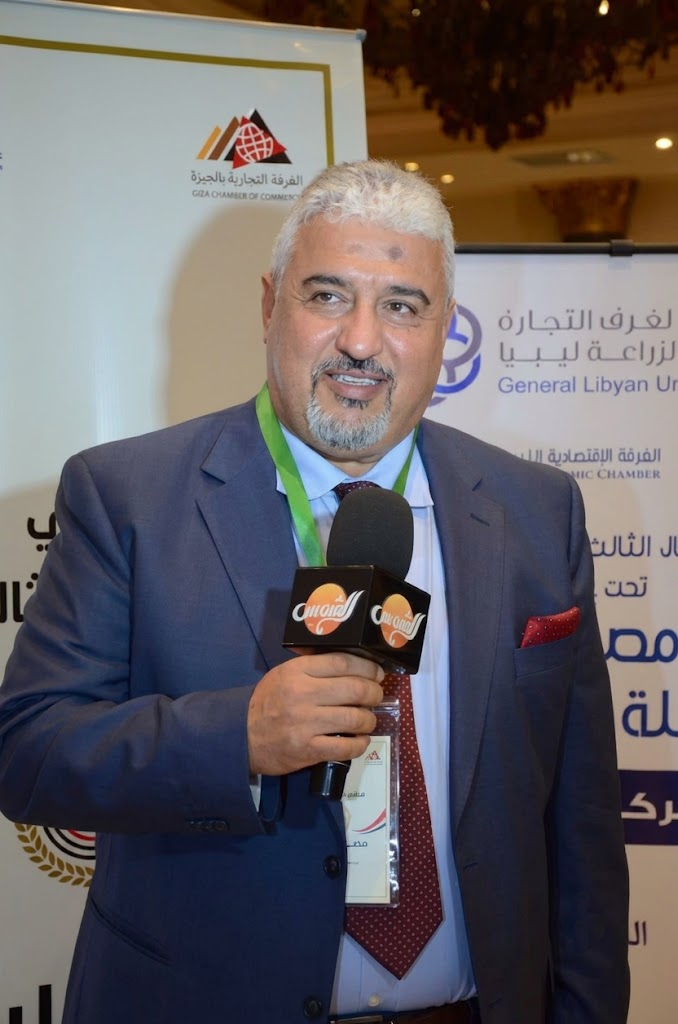
I am Adel Al Fadli, Chairman of Al Shawati Holding Group, one of the largest holding groups in Libya, and Golden Harvest is among the companies within the group. Recognizing the vital importance of agriculture, both in Libya and across the world, I have chosen to lead this company personally, because I believe agriculture can play a vital role in Libya’s future economic development. Through Golden Harvest, we are introducing smart farming technologies and modern agricultural solutions, bringing the latest innovations and expertise from around the world.
Our vision is to transform the sector through advanced irrigation, sustainable methods, and innovative technologies that boost productivity. As Libya emerges with new opportunities, we aim to attract investment, create jobs for Libyans and international professionals alike, and build diverse partnerships. Our goal is a modern, sustainable agricultural sector that strengthens food security, supports economic diversification, and drives Libya’s long-term growth.
Our Beginnings
Golden Harvest was founded in 2024 with a simple but ambitious vision: to transform underused Libyan farmland into efficient, high-yield agricultural projects. In our first year, we secured our initial farmland in the fertile plains of the Jafara region, near Tripoli, and assembled a founding team of agronomists, engineers, and local farming experts.
Our early work focused on the essentials — soil testing, land preparation, and the installation of our first modern drip-irrigation systems. By the end of 2024, we had cultivated our first pilot fields of wheat and barley, proving that our model could work and setting the foundation for the years ahead.


Growth and Expansion
From 2023 to 2025, Golden Harvest moved from groundwork to full production. We expanded our cultivated land to over 1000 hectares and diversified our crops to include olives, citrus, dates, and seasonal vegetables. We are introducing greenhouse farming for tomatoes and peppers, allowing year-round production and reducing our dependence on seasonal cycles.
This was also the year we invested in our people. We grew our workforce, launched training programmes for local farmers, and began working directly with nearby communities to share knowledge and create jobs. By the close of 2025, Golden Harvest had grown from a promising startup into an established name in Libyan agriculture.

Going International
In 2026, Golden Harvest reached a major milestone by partnering with RKD, a leading Spanish agriculture company with decades of experience in modern European farming. This partnership brings advanced agricultural technology, technical expertise, and international investment directly to our projects in Libya.
Through our collaboration with RKD, we are adopting precision-farming techniques, upgrading our irrigation and harvesting systems, and aligning our operations with international quality standards. Together, we aim to boost crop yields, improve produce quality, and open new export opportunities — connecting Libyan agriculture to markets across the Mediterranean and beyond.


